Just Logo: A Designer’s Real-World Embroidery Review
First Impressions: Sleek, Crafty, and Quietly Confident
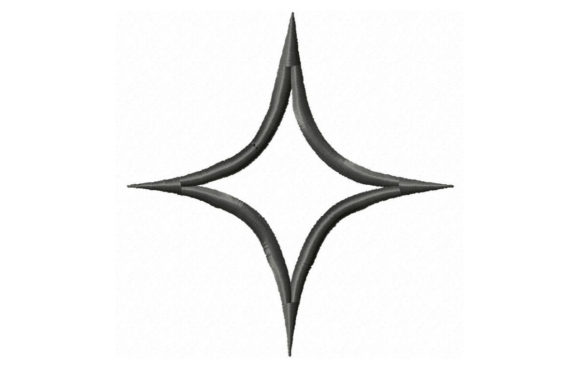
When I opened Just Logo for the first time, what struck me wasn’t flash—it was focus. This isn’t a design shouting for attention; it’s one that earns it. Clean lines, balanced negative space, and a subtle rhythm in its shape suggest intentionality—not just decoration. As someone who’s stitched hundreds of logos for small businesses and handmade brands, I immediately sensed its versatility: it feels equally at home on a minimalist baby onesie or a boutique apron for a local café. It’s not ornate, but it’s not barebones either—there’s craft in the curve, precision in the edge. That “sleek and crafty” description? Accurate. And yes—it *is* perfect for perfectionists, especially those who know that restraint often reads as professionalism.
A Real Project Test: Embroidering It on a Linen Kitchen Towel
Last week, I used Just Logo to embroider a set of linen tea towels for a friend’s new kitchenware shop. Why this design? Because it needed to read clearly at 3.5 inches wide—no tiny details lost in the weave—and hold up visually against both light oat and deep indigo fabric. The result? Crisp. No skipped stitches, no thread nesting, and the satin stitch edges stayed smooth even over linen’s slight texture. Customers commented on how “thoughtful” and “intentional” the branding felt—not flashy, but unmistakably hand-finished. That’s the quiet power of Just Logo: it elevates the finished product without overshadowing the item itself.
Where It Shines (and Where to Pause)
Just Logo works beautifully across a range of real-world applications:
- Custom apparel: Looks sharp on sweatshirt chest placements and cap fronts—its shape adapts well to gentle curves when hooped correctly.
- Embroidered patch: Holds structural integrity when cut and fused; clean edges mean minimal fraying after washing.
- Baby embroidery: Soft enough for onesies and burp cloths—no dense fill stitch clusters that could irritate delicate skin.
- Holiday embroidery: Works as a subtle monogram on ornaments, pillow covers, or gift tags—elegant without being seasonal.
- Etsy seller & small shop product: Reads well in printable mockups and digital previews—ideal for branding consistency across listings.
But let’s be practical: Just Logo isn’t magic. On thin or stretchy fabric—like lightweight jersey or ribbed knit—stabilizer choice becomes critical. I recommend medium-weight cutaway + tear-away combo for anything that moves. And while it handles dark fabric well (especially with high-contrast thread colors), avoid pairing pale threads with black backgrounds unless you’ve tested stitch density first—some areas may need slight manual adjustment to prevent shadowing.
Design Integrity Meets Commercial Reality
As a designer who licenses embroidery files and sells finished goods, I pay close attention to how a logo translates across contexts. Just Logo delivers strong brand consistency: it scales cleanly from 2" patches to 5" tote bag designs without losing legibility. Its simplicity also makes it forgiving in commercial embroidery—fewer jump stitches, less chance of thread breaks during bulk runs. For Etsy sellers, that means fewer customer questions about “why does it look different than the photo?” For craft fair vendors, it means your booth signage, packaging stamp, and product embroidery all feel like part of one cohesive story.
That said—don’t assume licensing covers resale. Since the product description notes it’s a machine embroidery design “for a business,” double-check whether the license permits use on physical goods you sell, or if it’s limited to personal projects. When in doubt, reach out to the creator before listing embroidered totes or baby blankets on your shop.
Practical Designer Notes Before You Stitch
Here’s what I do every time I prep Just Logo for a new project:
- Test on scrap fabric first—especially if using textured or unstable material like terry cloth or fleece.
- Review stitch density in your editing software. If it’s heavy in small zones, reduce density slightly to prevent puckering.
- Confirm hoop size compatibility. While it’s labeled under Shapes, its proportions may require a 4x4 or larger hoop depending on final size—check before loading.
- Inspect corners and transitions. Does the shape flow smoothly through satin-stitched curves? Are running stitch accents crisp, not fuzzy?
- Try black-and-white mockups. If it holds up without color, it’ll hold up on any fabric.
- Compare thread colors on light vs. dark backgrounds. A navy thread can look charcoal on white but nearly black on grey—small shifts matter for brand accuracy.
- Use proper stabilizer. For structured items like caps or tote bags, cutaway is non-negotiable. For baby items, opt for soft, washable tear-away.
Final Thought: It’s Not Just a Shape—It’s a Statement
In a market flooded with overdesigned logos and cluttered embroidery files, Just Logo stands out by doing less—and doing it well. It doesn’t try to be everything. It’s a machine embroidery design built for clarity, durability, and quiet confidence. Whether you’re stitching personalized gifts, building a craft business, or creating digital design assets for other makers, this file earns its place in your library—not because it’s trendy, but because it’s trustworthy. It looks handmade without looking amateurish. It feels intentional without feeling cold. And most importantly: it stitches like it was made for real life, not just a preview image.
If you’re an Etsy seller refreshing your shop branding, a small business owner choosing your first embroidered merchandise, or a hobbyist who values clean execution over busy detail—Just Logo is worth your time. Just remember: test, stabilize, and trust your eye. The rest takes care of itself.