Guitar Player Embroidery Design: A Professional's Review
When you're sourcing embroidery designs for real client projects or your own product line, a simple, attractive design like Guitar Player from Creative Fabrica immediately stands out for its potential versatility. My first impression was that this design captures a cool, relaxed musical mood without being overly complex. It feels like a design that could appeal to a wide audience, from casual crafters to dedicated musicians, making it a strong candidate for a range of handmade and commercial items.
Visual Appeal and Project Fit
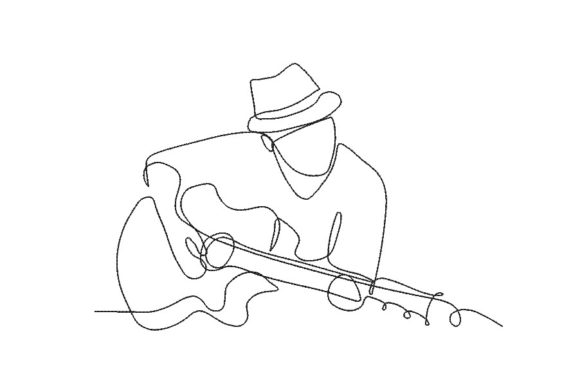
The charm of Guitar Player lies in its straightforward silhouette. It avoids intricate details that can become problematic on textured or stretchy fabrics, which is a significant advantage. This simplicity translates into a clean, recognizable image that works as both a bold statement on a sweatshirt and a subtle accent on a baby blanket or kitchen towel. Its decorative appeal is universal, fitting nursery decor, boutique merchandise, or a personalized gift for a music lover.
For embroidery designers and small business owners, this means the design can serve multiple markets without needing modification. You could use the same embroidery file to create a series of products for your Etsy shop—from tote bags to pillow covers—maintaining brand consistency while expanding your offerings. The design naturally fits the Music category, but its application is broader than just genre-specific items; it’s about a lifestyle or passion, which enhances its giftability and customer engagement.
Performance in Real Embroidery Work
Considering this for a real customer order, like an apron or a cap, requires thinking about its physical stitching characteristics. The product description suggests it will stitch out perfectly on t-shirts, shirts, and bags, which points towards a manageable stitch density. Designs with lower density are forgiving on diverse materials, from the curved surfaces of caps to the thicker fabrics of tote bags.
A key consideration is small details. Even simple designs can have tiny areas that might not stitch cleanly on certain fabrics. Before running Guitar Player on a final product, especially a commercial embroidery project, I would always test it on scrap fabric that matches the final item's texture. This is crucial for dark fabrics, where thread color contrast needs to be planned, and for stretchy fabrics like t-shirts, where the right stabilizer is essential to prevent distortion.
Practical Application Across Products
Let’s explore specific applications. For a handmade product like an embroidered patch, the clean lines of Guitar Player would likely result in a sharp, professional-looking patch suitable for selling or applying to jackets. On apparel like sweatshirts, it would serve as a focal point without overwhelming the garment. For home decor items, such as a framed piece or a pillow cover, the simplicity becomes elegant, especially if paired with complementary fabrics in your product photography.
Items that need frequent washing, like kitchen towels or baby blankets, benefit from designs that aren’t too densely stitched, as dense areas can feel stiff and wear differently. The description’s note about it stitching out “perfectly” suggests it’s engineered for this, but verifying the actual stitch count and types (satin stitch, fill stitch) on the product page is a necessary step. You’ll want to confirm the hoop size requirements to ensure it fits your project; a smaller hoop size would be ideal for caps and smaller baby items.
Affecting Product Value and Trust
Using a well-executed machine embroidery design directly impacts your product’s perceived value and buyer trust. A design like Guitar Player that stitches out cleanly reinforces a professional handmade presentation. Customers recognize neat, crisp embroidery as a sign of quality, which is vital for Etsy listings, craft fair products, and boutique merchandise.
This reliability also allows you to confidently create printable mockups for your shop, knowing the final product will match the preview. For commercial embroidery services, offering a proven, attractive design builds client satisfaction and repeat business. The visual appeal is direct and engaging, often sparking conversations and connections with customers, which is invaluable for small business owners and creative entrepreneurs.
Essential Pre-Use Checklist
Before incorporating Guitar Player into your workflow, here is a practical checklist based on professional experience:
- Check the Creative Fabrica product page details thoroughly. Confirm the listed file formats, recommended hoop size, and any included instructions. This is your blueprint.
- Review stitch density by examining the file in your software. Look for any unusually dense areas that might require adjustment for specific fabrics.
- Compare light and dark fabric scenarios. Plan your thread colors accordingly. A simple design might use just one or two colors, but contrast is key on dark backgrounds.
- Inspect small details after a test stitch. Even in a simple design, check the cleanliness of curves and corners on your test scrap.
- Confirm the licensing terms. Before selling finished items, ensure your use aligns with the digital embroidery file license for commercial use. This protects your business.
- Use proper stabilizer for the target fabric. This is non-negotiable for achieving the “stitches out perfectly” result on bags, apparel, or caps.
Final Thoughts on Guitar Player
Guitar Player presents itself as a versatile, straightforward Creative Fabrica embroidery asset. Its strength is in its adaptable simplicity, making it a trustworthy choice for embroidery designers looking to quickly add a music-themed product to their line or fulfill a custom order. It avoids the common pitfalls of designs that are too detailed for practical use on everyday items.
However, its true worth for your specific custom apparel or handmade gifts depends on those practical checks. It likely won’t require extensive editing or troubleshooting, which saves time—a critical resource for entrepreneurs. By treating it with the same professional diligence as any other embroidery design, testing it, and understanding its parameters, you can leverage its attractive simplicity to create products that look great, hold up well, and resonate with customers. It’s a design that, based on its description, seems built for real-world use, not just digital display.